
 Streamline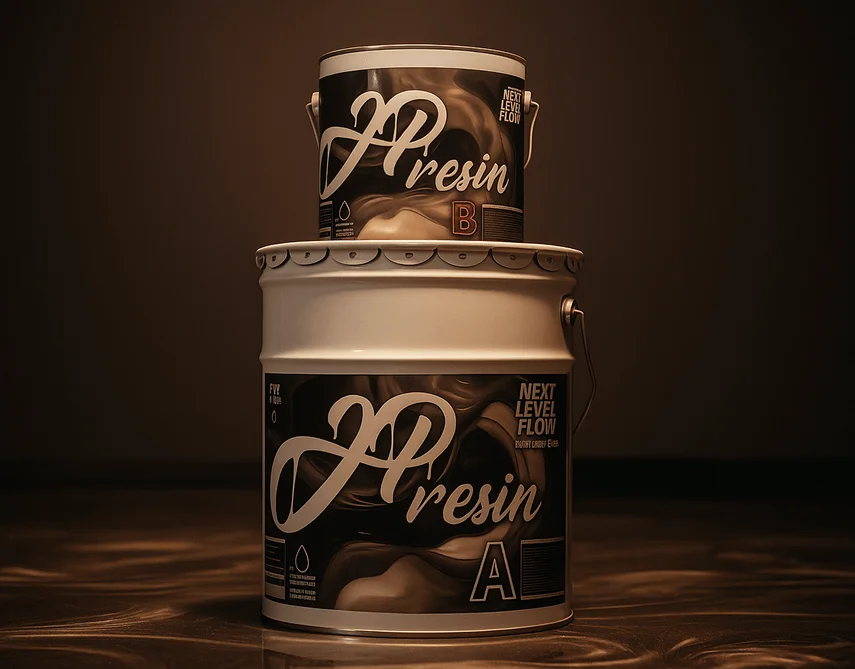
Contractors searching for jp resin los angeles products may be planning a decorative floor or another resin system where flow, coverage, and finish quality matter. The material itself is only one part of the job. Surface preparation, primer compatibility, batch size, working time, decorative effects, and the protective layer above it all influence how the finished floor performs.
A resin that spreads smoothly can still fail if the slab is poorly prepared or the next coat is incompatible. The best approach is to plan the entire system before opening the first kit.
Start With the Concrete, Not the Resin
Old coatings, oil, adhesive residue, cracks, and weak surface material can interfere with adhesion. Mechanical preparation should create the profile required by the selected system rather than simply making the slab look clean.
When comparing signature 410 los angeles options for a metallic or decorative project, contractors should also think about where that topcoat fits in the sequence. The base layer, decorative epoxy, and final protective coat need compatible cure windows and surface conditions.
Understand What “Flow” Needs From the Floor
Flowing epoxy systems depend on a reasonably consistent substrate. Deep pits, abrupt height changes, or poorly repaired cracks can telegraph through the finish or cause material to collect unevenly.
Repairs should therefore be completed before the decorative coat. High spots may need grinding, while low or damaged areas may require patching with compatible materials.
The goal is not always a perfectly level slab, but a surface that allows the coating to spread predictably.
Plan Batch Size Around Working Time
A larger batch may seem efficient, yet resin chemistry limits how long the material remains workable after mixing. Warm temperatures and slower application can shorten the time available.
Contractors should review mix ratio, pot life, and application instructions before deciding batch size. On larger floors, smaller controlled batches may provide more consistent results than mixing everything at once.
Crew roles should also be clear. One person can manage mixing while others pour, spread, and monitor edges so the application does not stall.
Coordinate Metallic Effects Before Application
Metallic floors are intentionally variable. Pigments can create movement, depth, and visual contrast, but the outcome depends on timing, application technique, color selection, and how the material is manipulated.
A sample board can establish the general direction, but it should not be treated as an exact map of the final pattern. Lighting and room size can also change how the colors appear.
Clients should understand that variation is part of the design rather than a defect.
Respect Recoat Windows
The next layer should be planned before the current one cures. If the decorative epoxy must be topcoated within a specific window, the crew needs the correct materials and tools ready.
Missing a recoat window can require sanding or additional preparation before the next layer is applied. That adds time and can disturb a decorative finish.
Technical data for both products should be reviewed together so the sequence works as one system.
Choose the Topcoat for the Environment
A protective topcoat should be selected for the conditions the floor will face. Abrasion, chemicals, sunlight, cleaning frequency, and desired sheen all matter.
A showroom may prioritize gloss and visual depth, while a workshop or garage may place more emphasis on wear resistance and easier maintenance. Customer-facing areas may also need a finish that enhances the metallic effect without becoming impractical.
Product compatibility should take priority over appearance alone.
Control Dust Between Layers
Decorative resin floors can show small defects clearly. Dust, hair, debris, or contaminated tools may become trapped in the finish if the work area is not controlled carefully.
Vacuuming, clean footwear, organized tools, and limiting unnecessary traffic can help. Mixing and application equipment should also be kept clean when moving from pigmented layers to clear coats.
Plan the Final Cure
A floor may look complete before it is ready for normal use. Foot traffic, furniture, equipment, and vehicles may require different return-to-service times.
Contractors should communicate these limits clearly. The client should know when each type of load can safely return rather than assuming the floor is ready as soon as it feels dry.
Conclusion
A flow epoxy and protective topcoat should be treated as connected parts of one flooring system. Concrete preparation, repairs, batch size, decorative technique, recoat timing, contamination control, and final cure all influence the result.
By planning each layer before installation begins, contractors can reduce compatibility problems and unnecessary rework. The strongest decorative floor is not simply the one with the most dramatic finish, but the one whose preparation and application sequence are coordinated from the slab through the final protective coat.
