
 Streamline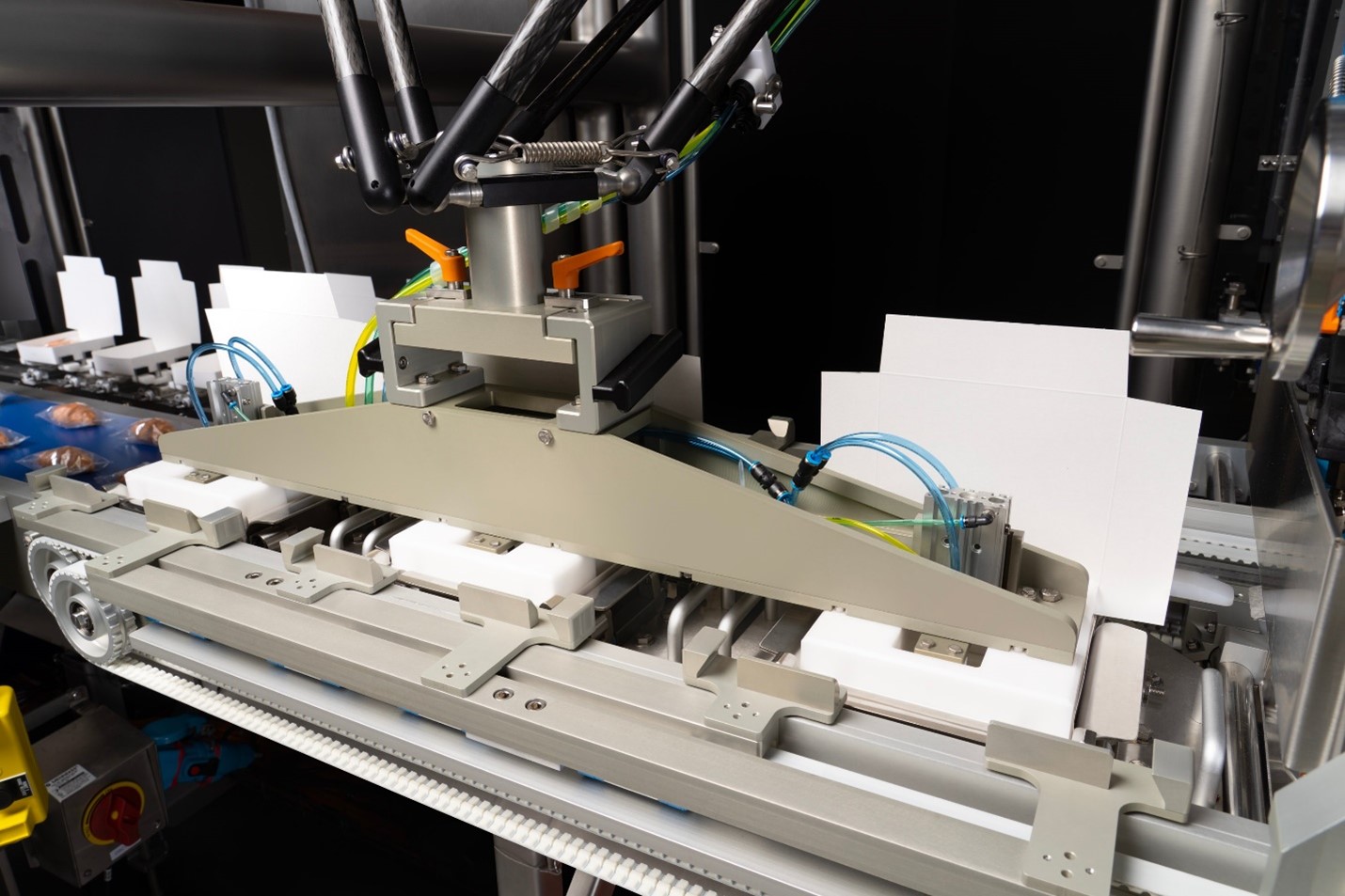
People expect case packing systems to run all day. Reality is different. Cases arrive slightly warped, products shift, and alignment goes off. Even the most precise case packers hesitate or adjust mid-cycle. Operators watch and intervene quietly. Production continues, but it’s never perfectly predictable.
Case quality matters more than specs
Cardboard thickness, fold accuracy, and glue seams vary constantly. Case packers rely on predictable cases to orient products correctly. A bent flap or weak fold can jam the system. Case packing systems stop, pause, or misplace items. Operators rarely blame the machine first—they know material inconsistencies often cause problems.
Speed influences mistakes more than anyone expects
Faster cycles look impressive on control panels. Case packing systems handle motion precisely, but higher speed amplifies small errors. Products bounce or tilt slightly. Case packers respond immediately, sometimes stopping repeatedly. Teams often slow down operations slightly to reduce minor jams, which feels counterintuitive when deadlines loom.
Gripper and tooling choice changes everything
Vacuum, mechanical, or hybrid grippers behave differently depending on product weight and surface. Case packers struggle when tooling doesn’t match product characteristics. Even small wear or dust buildup reduces accuracy. Case packing systems rely on proper tooling to avoid misfeeds, and minor tweaks make huge differences in daily output.
Integration exposes weak points quickly
Robots, conveyors, and erectors must synchronize perfectly. Case packing systems pause when upstream timing drifts. Case packers then face product backups or misalignment. Engineers tweak software, delays, and sensor timing repeatedly. Problems rarely disappear completely, and solutions feel temporary until patterns are learned and adapted.
Maintenance sneaks into operations quietly
Dust, sticky residue, and mechanical wear accumulate slowly. Case packers lose precision subtly over weeks. Sensors cloud. Joints loosen. Case packing systems rarely fail dramatically. Instead, small stops and misfeeds quietly increase. Scheduled inspections prevent larger slowdowns, though they are often delayed under production pressure.
Operators influence outcomes more than manuals suggest
Two operators running the same line achieve different results. Experience, patience, and observation matter. Case packers respond instantly to minor adjustments, so restraint is key. Case packing systems work best when staff notice rhythm shifts before alarms trigger. That skill develops slowly through repeated observation, not instructions alone.
Choosing systems realistically saves frustration
Selection depends on product consistency and line volume. Case packing systems suit stable products with predictable flow. Case packers handle variation better than manual labor, but not perfectly. Budget planning should include spare parts, service support, and changeover time. Testing with actual products before installation prevents surprises during full-scale operation.
Conclusion
Case packing systems provide structure and repeatability, but they still reflect material variability, tooling choices, and operator habits. Case packers perform best when speed, maintenance, and adjustments are balanced thoughtfully. Automation reduces labor demands, but human awareness remains crucial. Understanding limits and learning system behavior improves output and reduces minor stoppages. If your production line is reviewing automation or optimizing existing packing processes, consult an experienced packaging automation professional. Evaluating products, workflow, and layout carefully ensures smoother operation and practical, long-term performance without constant surprises.

2 comments
topical finasteride
topical finasteride
mobic 7.5 generic
mobic 7.5 generic
Comments are closed.